01
Write down the available space
Measure width, depth and height where you plan to place the organizer. Note nearby cables, shelf edges and anything that could block access. Use the same unit throughout your notes; centimetres and millimetres are easy to confuse when copying a listing.
02
Measure what needs to go inside
Choose the largest or least flexible item first. Measure it in the position you want to store it. Outside product dimensions include walls, seams and hardware, so they cannot establish that your item will fit. Ask for usable interior dimensions when those are missing.
03
Allow for everyday access
Think through opening a lid, pulling a drawer, moving a zipper and lifting an object out. Avoid using every last bit of available space on paper. A container that technically fits can still be frustrating to use.
04
Check the exact option
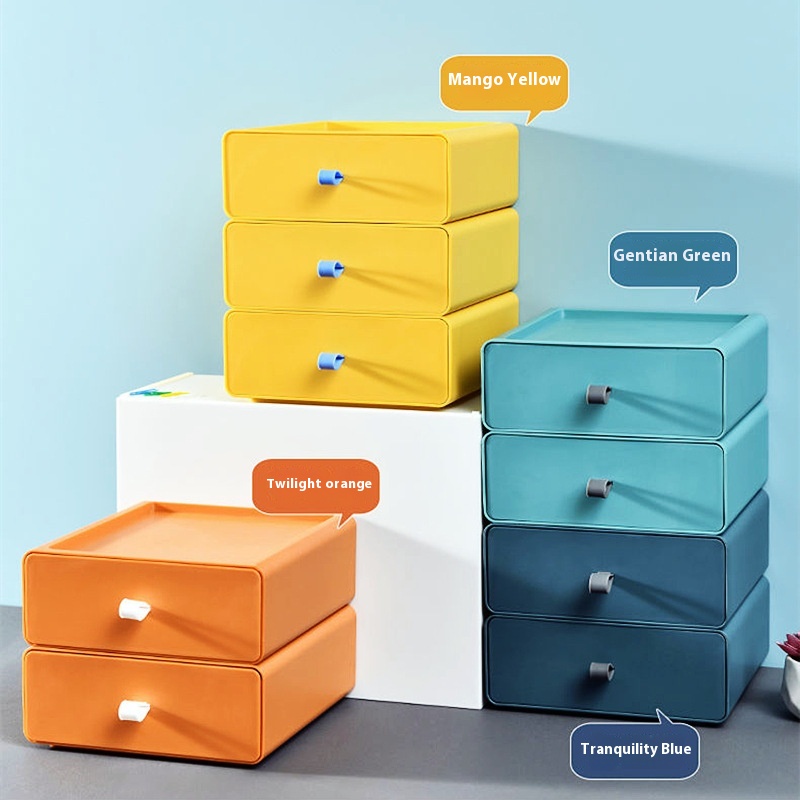
Compare the selected colour, size, pack quantity and included contents. A family listing may combine photos and specifications for several options. If a detail is unclear, ask about the exact option instead of assuming that every photo applies.
05
Keep the decision reversible
Try the footprint with paper or a spare container before ordering. Read the stated total cost, delivery information and return terms before payment. If those details are missing, wait for clarification; a low item price alone is not the cost of a usable purchase.
This guide offers general organization ideas. It is not a product test, certification or recommendation based on measured customer results.